Every time you hand your child a phone or allow them to go online, you trust that the digital spaces they enter will be safe. But the truth is, they’re not—and a decades-old law called Section 230 is one major reason why.
What Is Section 230?
Passed in 1996, Section 230 of the Communications Decency Act was created when the internet was still young. It was designed to protect websites from being held responsible for what users post. In theory, it encouraged free speech and innovation online.
But nearly thirty years later, that same law has become a shield for some of the most powerful corporations in history—Big Tech companies like Meta, Google, TikTok, and Snapchat—allowing them to profit from harm without accountability.
The Consequences for Families
Because of Section 230, tech companies can’t be sued even when:
- Algorithms knowingly amplify harmful content to children.
- Platforms recommend predators, drug dealers, or self-harm groups to vulnerable users.
- Companies ignore repeated warnings about the exploitation or death of children on their apps.
These harms aren’t rare. They’re systematic.
Last year alone, over 36 million reports of child sexual abuse material were filed—most linked to major social-media platforms. Drug dealers use encrypted messaging and disappearing-content features to sell fentanyl to teens. Predators use recommendation algorithms to groom and exploit children.
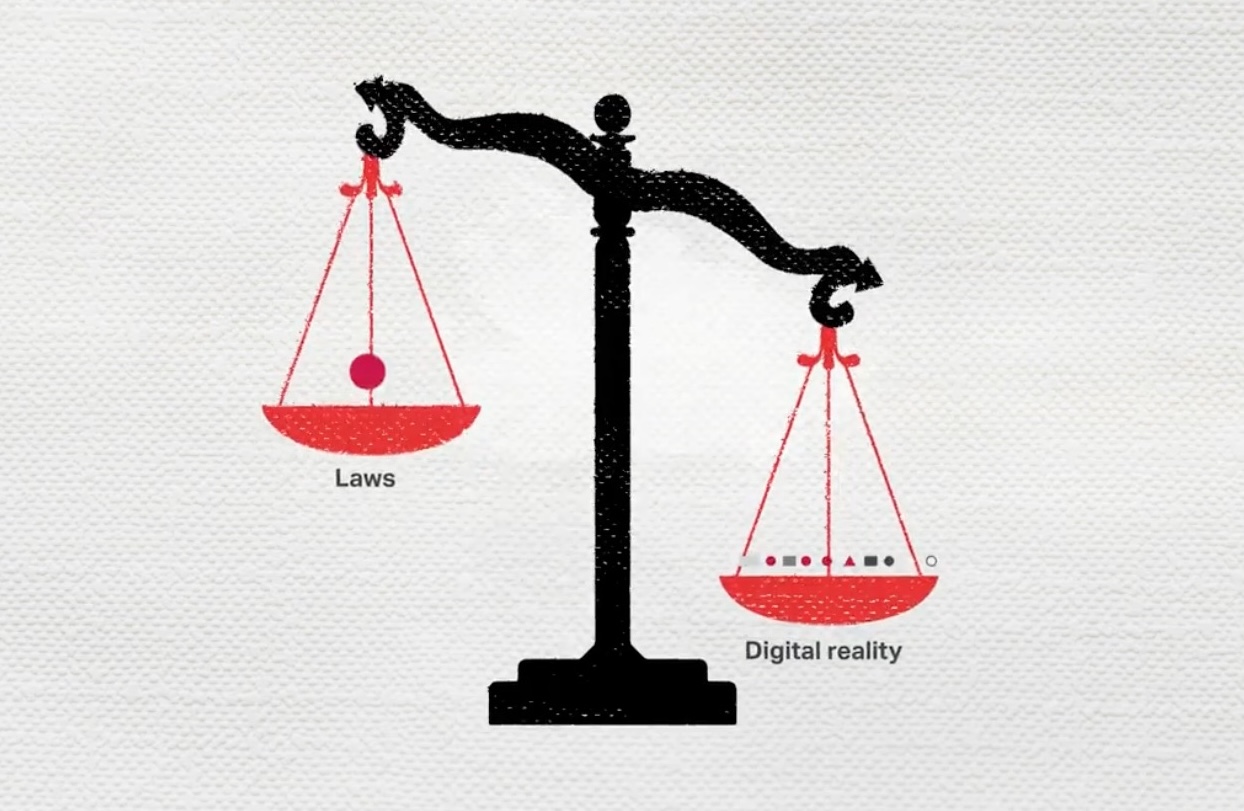
And through it all, companies claim immunity—because Section 230 says they’re not responsible for what happens on their platforms, even when their design choices make it possible.
Why Reform Matters
Reforming Section 230 doesn’t mean ending free speech. It means ending impunity. It means that billion-dollar companies should face the same basic accountability that every other industry does. If an automaker sells cars with faulty brakes, or a toy manufacturer releases a dangerous product, they can be held liable. Why should the rules be different online—especially when children’s lives are at stake?
Modernizing this outdated law would:
- Allow victims and families to seek justice when platforms cause foreseeable harm.
- Force companies to prioritize safety over profit, changing the incentive structure behind harmful design.
- Create a safer digital environment for children, families, and communities.
What It Means for You
Parents, caregivers, and families are on the front lines. We see the real-world consequences of an unaccountable tech industry—anxiety, addiction, exploitation, and loss.
But we also hold the power to change it.
By speaking up, organizing, and demanding accountability, parents can drive a new era of responsibility online. Reforming Section 230 isn’t about politics; it’s about protecting our children, our communities, and our future.